Examples of Online and F2F Facilitation

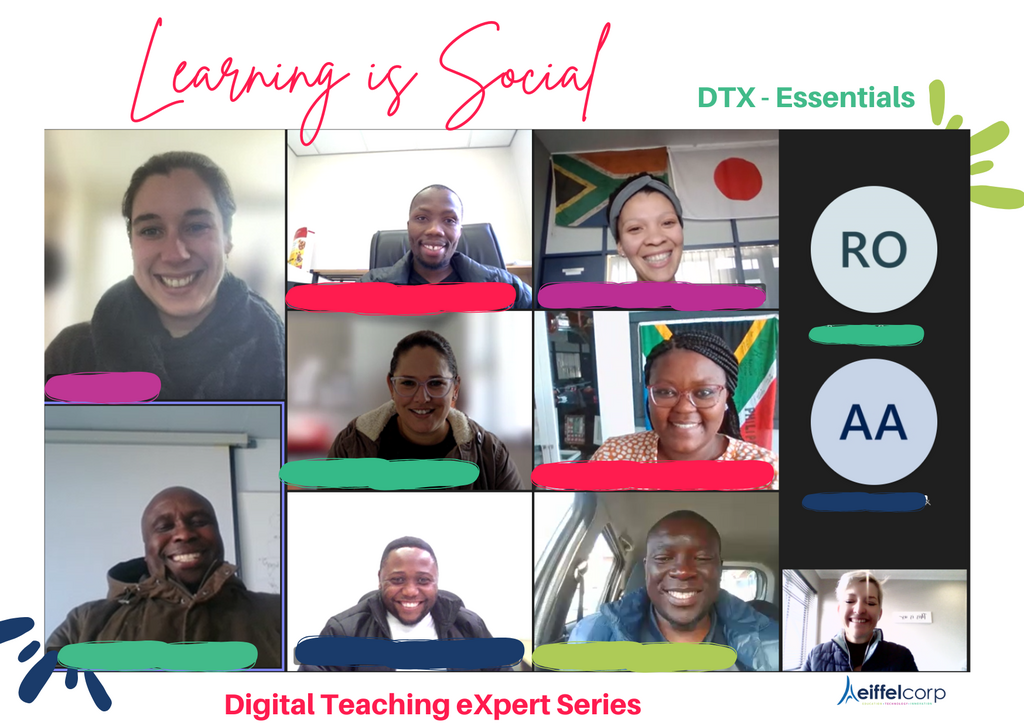
We believe that the most impactful professional development happens when facilitation is a two-way conversation. Our approach to training (whether in a high-energy face-to-face workshop or a dynamic fully online session) is rooted in mutual discovery. We find immense professional joy in creating spaces where we learn from one another.

Reach out to discuss your training needs

Strategic Technology and Research in Digital Education (STRIDE)

Co-Authorship & Research

STRIDE is a five-day fully online facilitated professional development course for educators. 

Co-authored the STRIDE manual, which serves as a foundational theoretical and practical guide for online course design. Integrated AI as a "golden thread" throughout the updated curriculum, ensuring the content remained grounded in pedagogical fundamentals while embracing innovation. I was lso involved in the designing of the manual (Adobe InDesign).
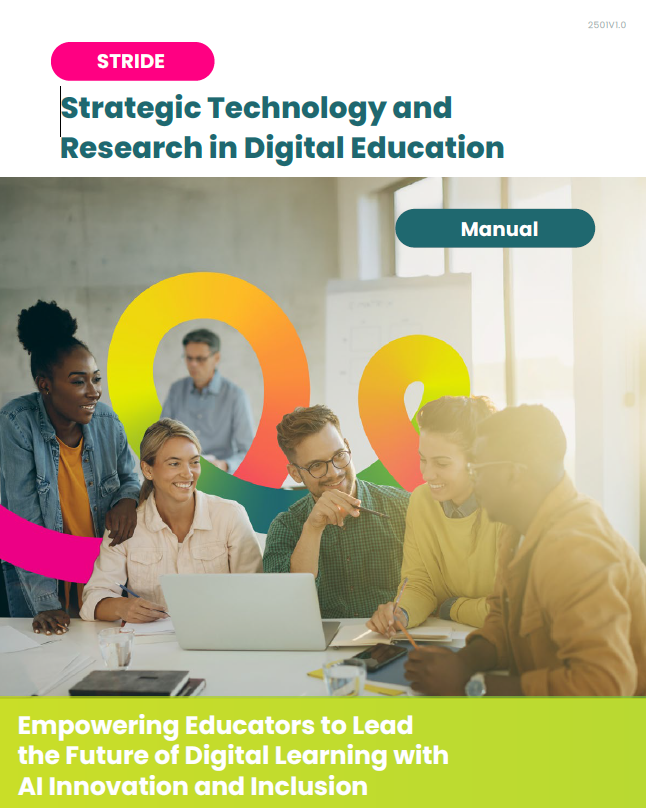
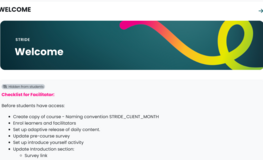
Cover Page of STRIDE Manual/Handbook
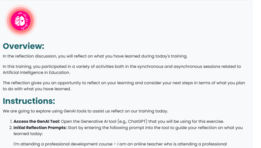
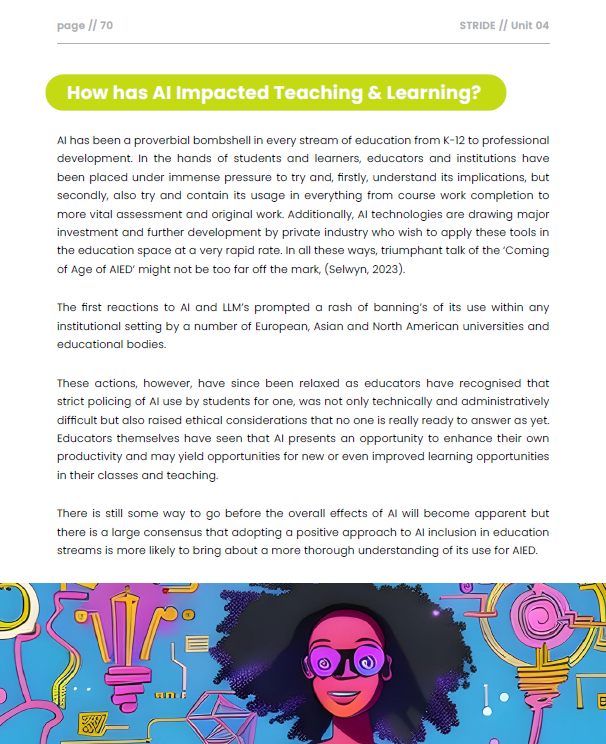
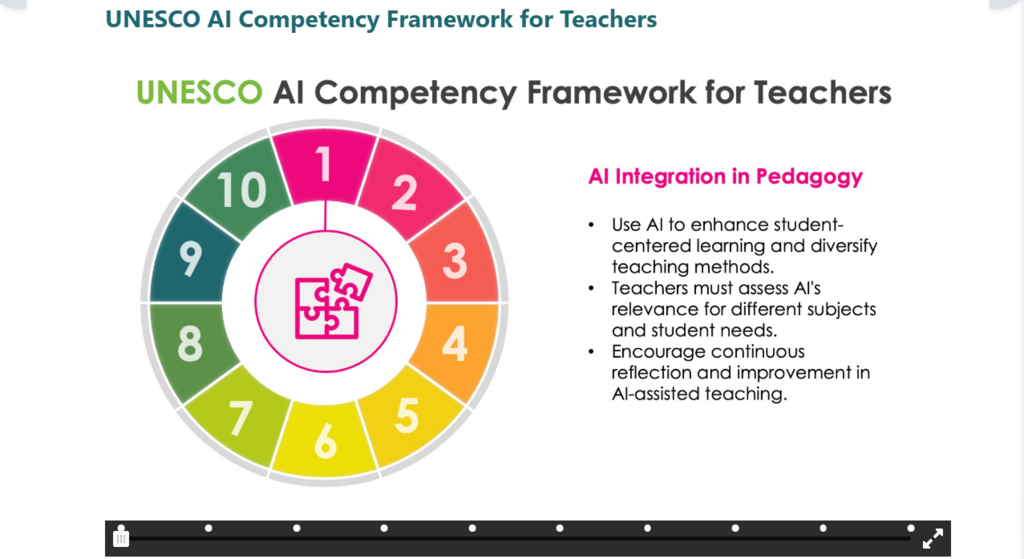
Extracted page from Manual on AI and Education
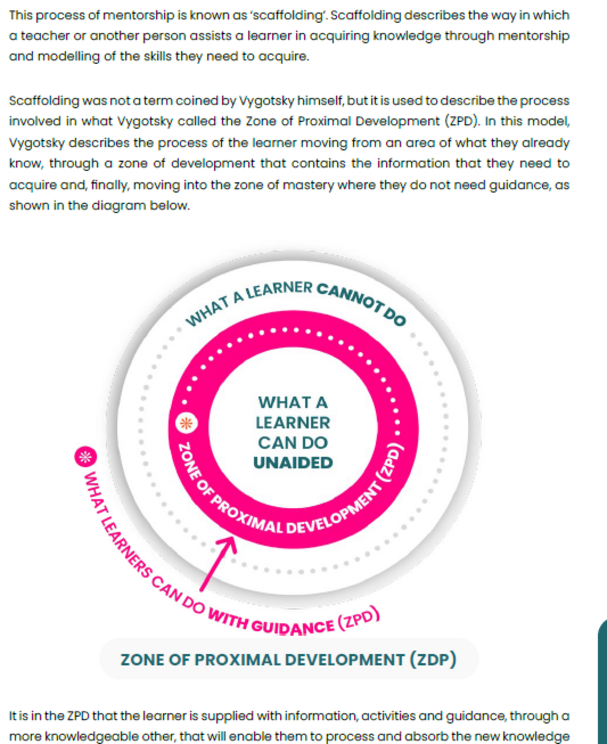
Extracted page from manual, topic included on learning theories

Platform & Course Design

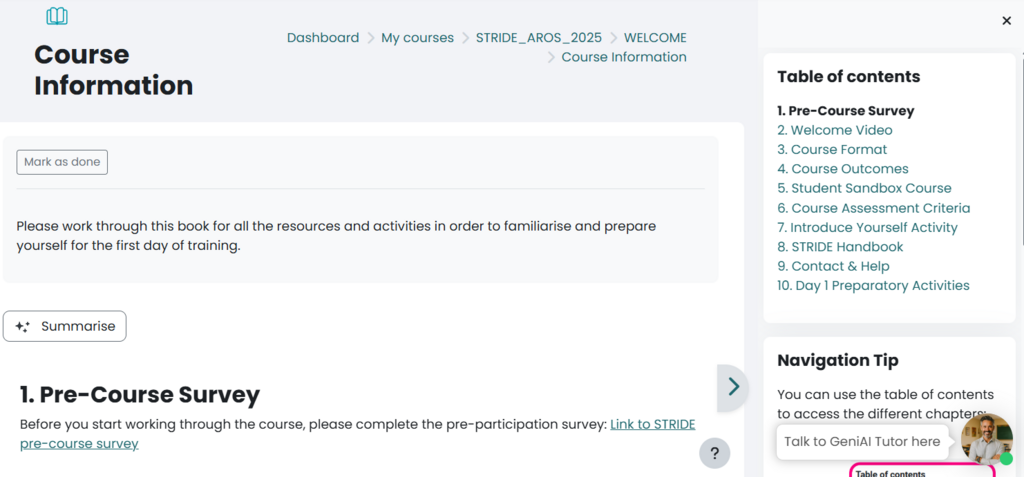
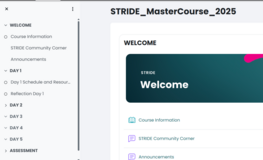
The course was a strategic evolution of your previous co-authored work, "Digital Course Expert," adapted for the 2020-2024 educational landscape and developed on Moodle LMS as a fully online course.
Cover Page of STRIDE Manual/Handbook
Extracted page from Manual on AI and Education
Extracted page from manual, topic included on learning theories
Cover Page of STRIDE Manual/Handbook
Extracted page from Manual on AI and Education
Extracted page from manual, topic included on learning theories

High-Level Facilitation

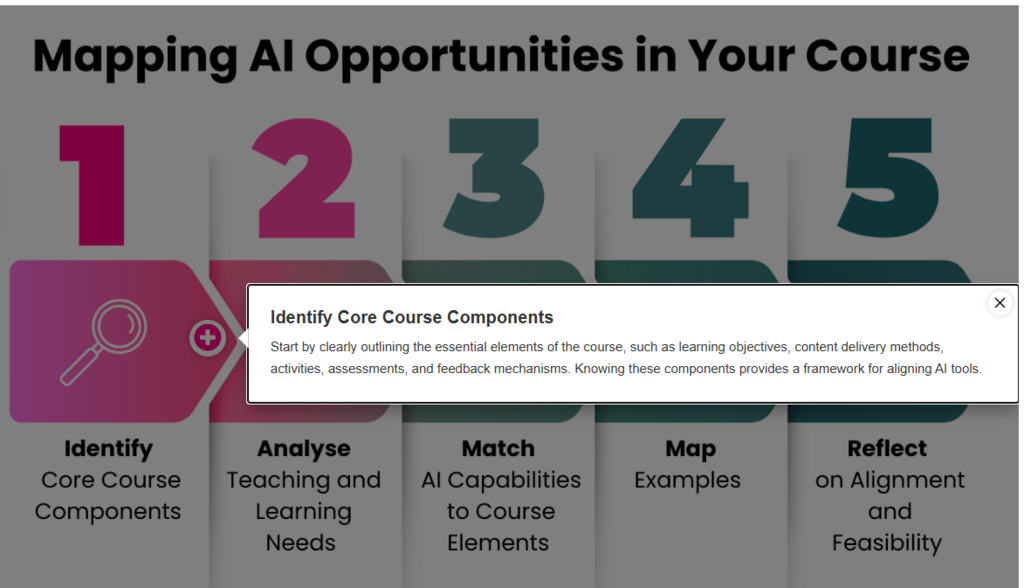
The course is offered over five consecutive days consisting of 2 hour synchronous and 2 hour asynchronous sessions.  The course Strategic Delivery: Describe the delivery of the five-day intensive online format to institutions like Akademie Reformatoriese Opleiding en Studies (AROS).


The course immerses participants in a fully online learning experience, allowing them to experience a well-designed course according to good digital course practices, while learning the theory and collaborating practically with their colleagues.  The final assessment for the course is a digital course module, which the participants have developed, using their own context over the week.


Feedback from Participants

As a result of the training I understand / can now apply the following:

  • Accessibility and useability
  • Bring fresh and up-to-date ideas to my courses.
  • Incorporating UDL measures in assessments. 
  • Enhance my thinking on teaching methodes
  • I understand the UDL principles more clearly and can now apply them to design inclusive learning activities.

As a result of the training, I now have the skills and confidence to:

  • Check for accessibility and usability
  • To better integrate AI in n my course in an ethical manner.
  • Making live sessions more interactive.
  • Build my own module
  • Create learning activities that are inclusive and accessible to diverse students.


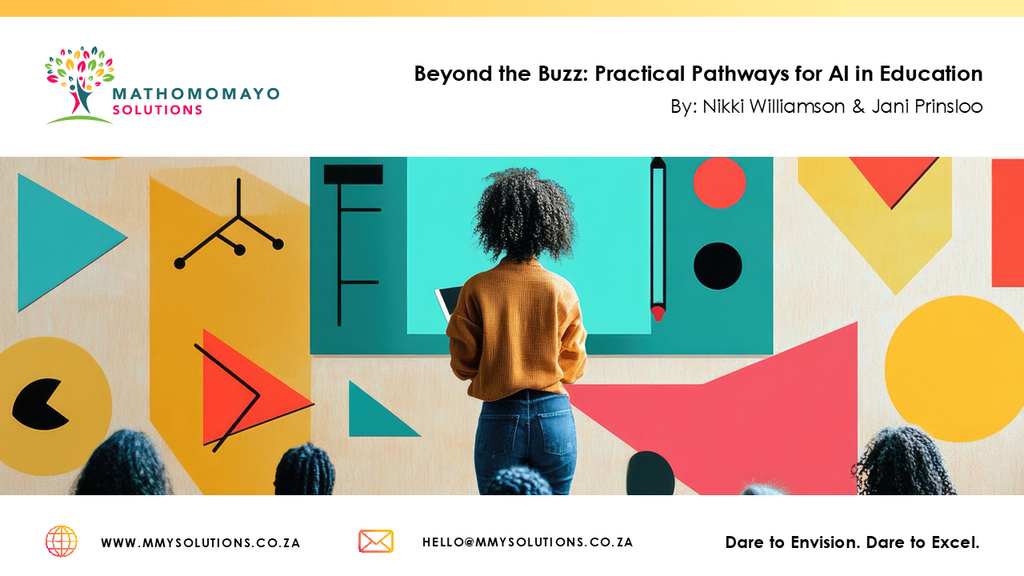
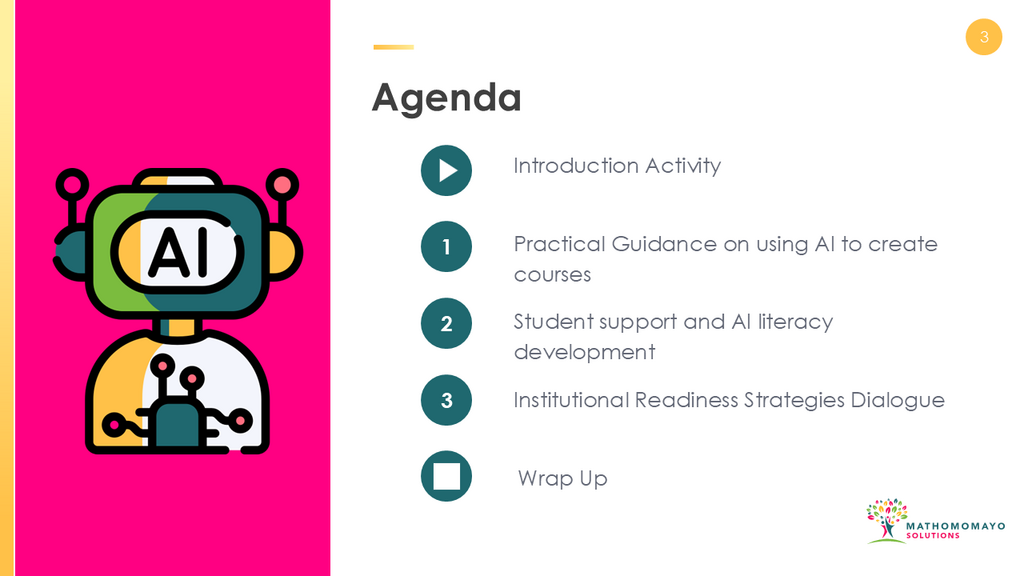
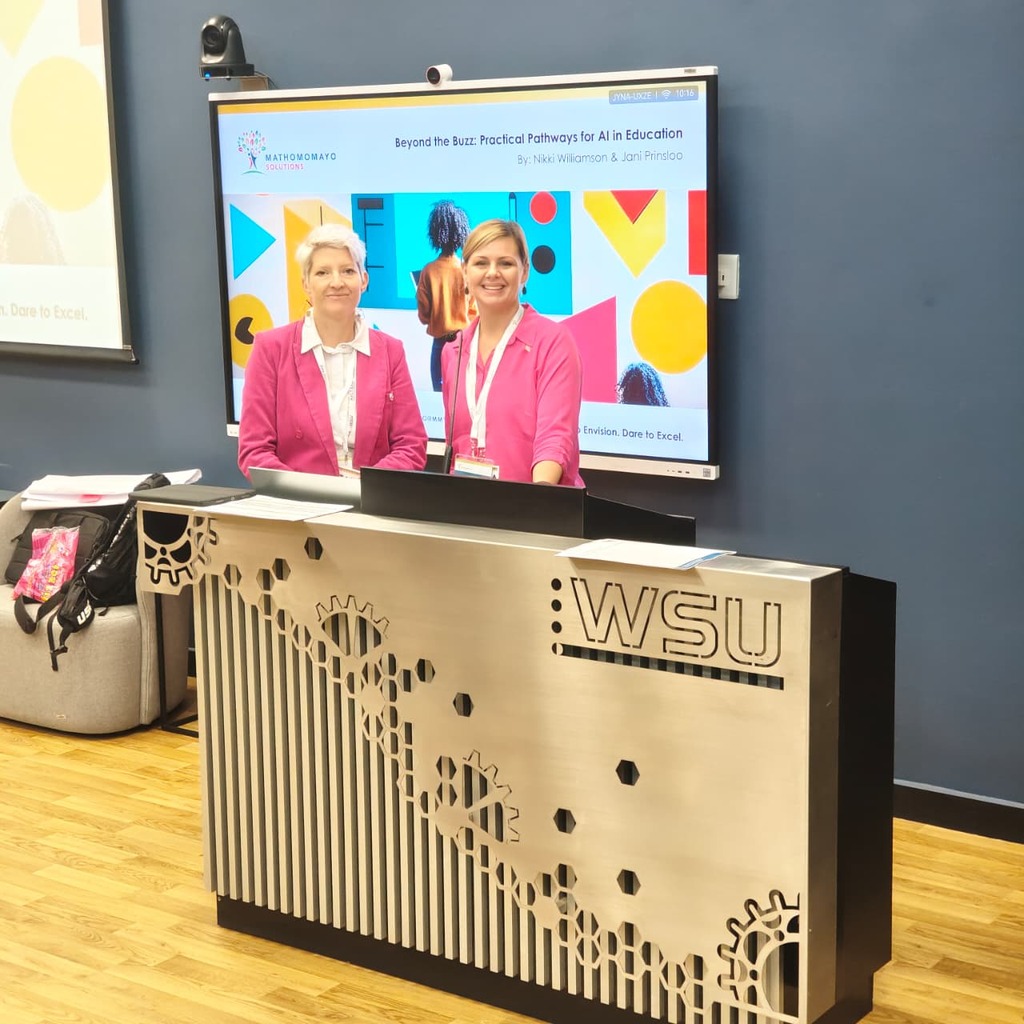
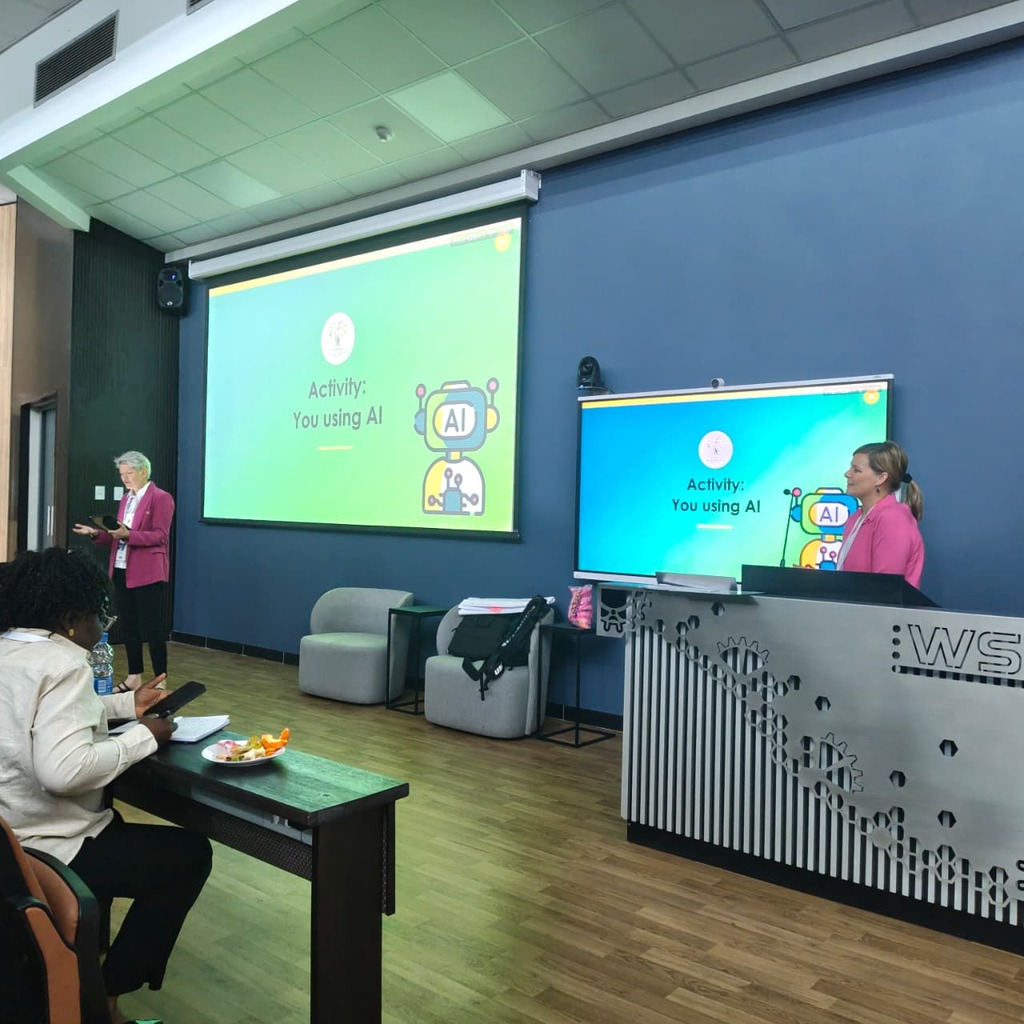
Beyond the Buzz – Practical Pathways for AI in Education

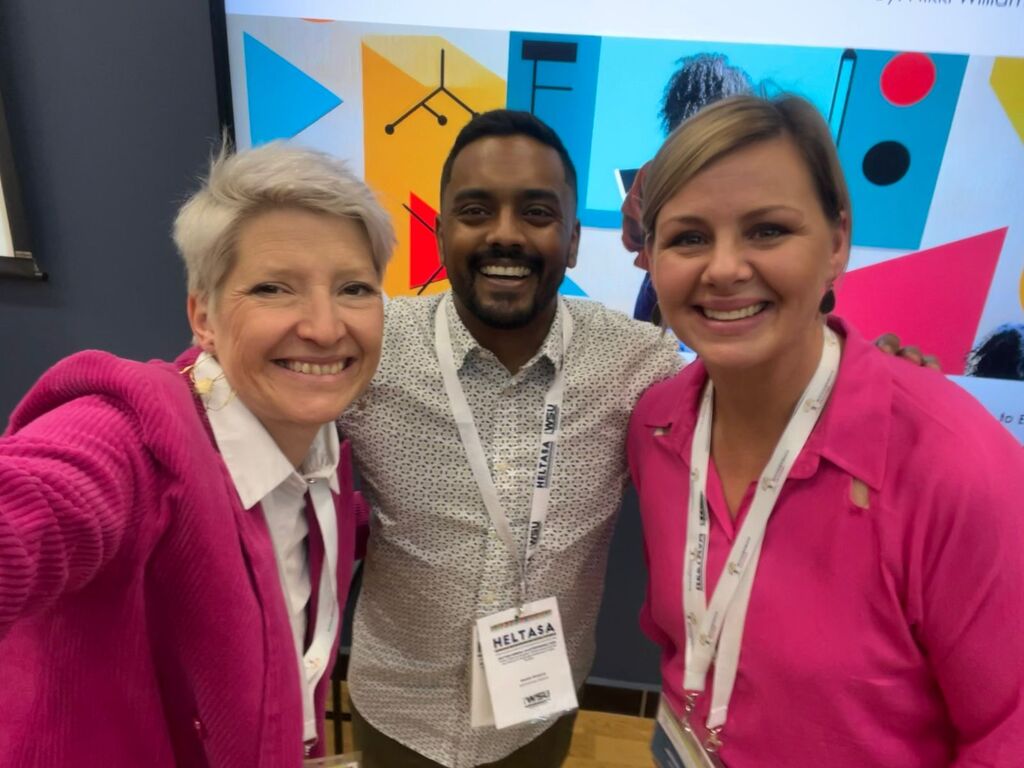
HELTASA - October 2025

While the global conversation around AI in Higher Education is often dominated by theory and policy, this workshop was designed to provide academics with immediate, actionable strategies. Co-presented with J. Prinsloo, the session moved "beyond the buzzwords" to explore how AI can be integrated into teaching and learning in a way that is both ethical and pedagogically sound.

The workshop was aligned with the "AI Smart Students Workshop" which I developed as part of the professional development need in Higher Education.  

Thought Leadership

The workshop was attended by 36 delegates, and well received due to its practical take away skills.  We continued conversations with some of the attendees after the session and continued some additional training with one of the institutions (Inscape). 


Key Focus Areas:

  • From Theory to Practice: Translating broad AI concepts into specific classroom applications that enhance rather than replace the educator's role.
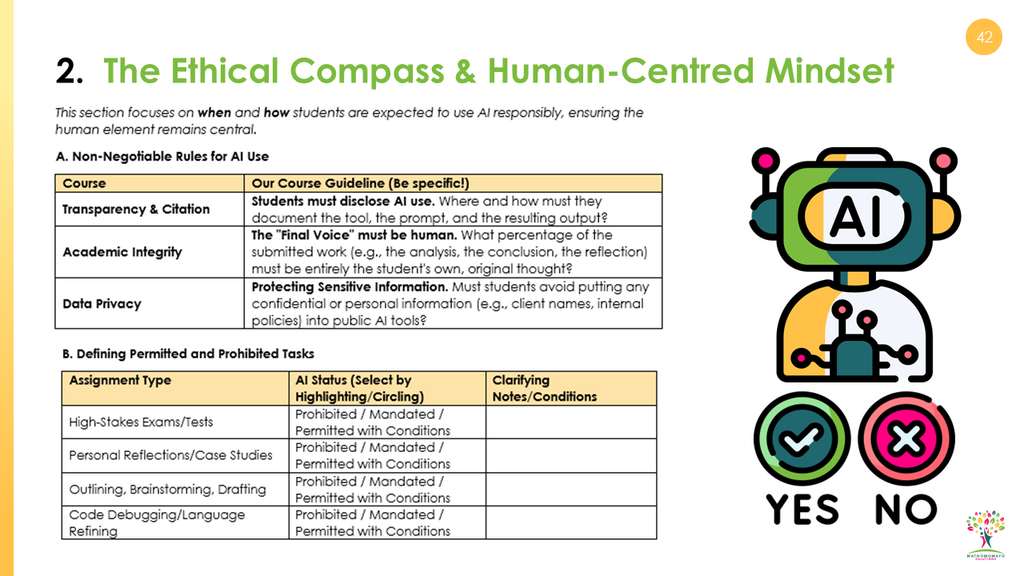
  • Navigating Governance: Aligning AI use with institutional requirements and assessment frameworks.
  • Active Academic Empowerment: Creating a collaborative space for lecturers to experiment with AI tools, fostering the confidence needed to guide students in a digital-first world.
  • This presentation underscores my commitment to being at the forefront of educational technology, ensuring that innovation is always balanced with the practical needs of the South African Higher Education sector. 


Self-Paced Online Short Courses

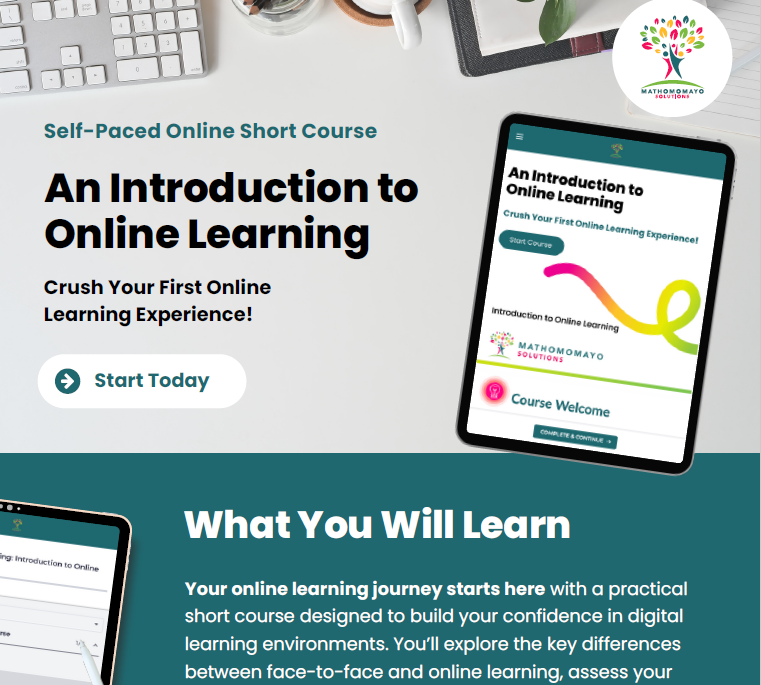
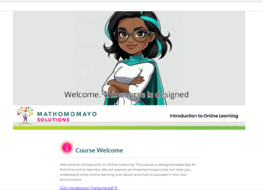
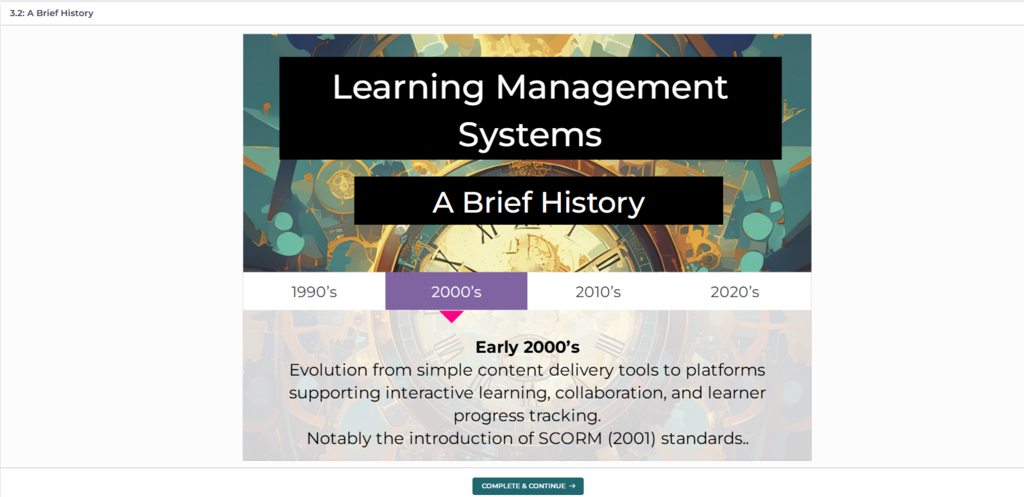
Introduction to Online Learning 

All the Short Courses were developed on Thinkific Platform.


I jumped at the opportunity to design and develop a non-facilitated course for school leavers, preparing them for online learning.  Not all students arrive at post-school education institutions (TVETS, Universities, Academies, etc.) equally prepared.  The design and later development of this course on Thinkific allowed me to share some of the key skills required for school leavers to become successful online learners.  As the market was for South Africa, I was able to weave in authentic storytelling into the learning journey.  The course was carefully mapped out to ensure constructive alignment and time allocation.


Course Brochure

Extracted page from Manual on AI and Education

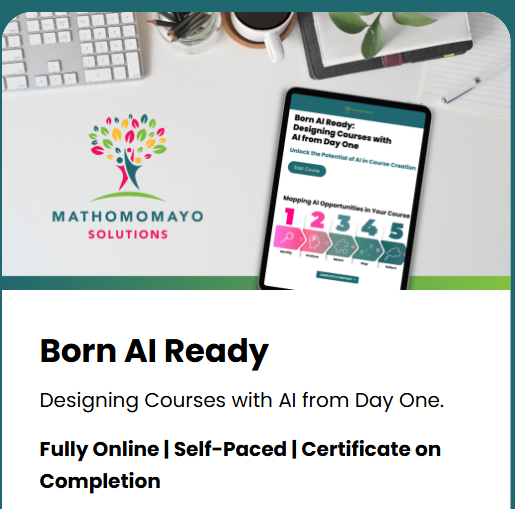
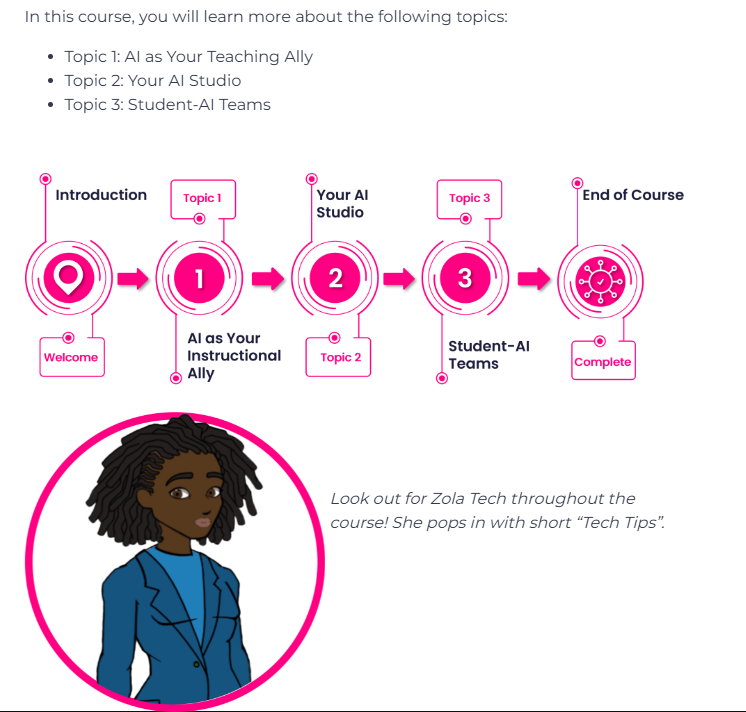
Born AI Ready - Creating 

As the landscape of Higher Education shifts there was a need for a fully online asynchronous course for educators, that moved beyond simply "adding AI" to existing structures. I authored and developed this course to champion a "Day One" philosophy, integrated, ethical, and purposeful AI design that is baked into the curriculum from its inception.